
The Nearshoring Boom in Mexico
The Nearshoring Boom and Its Impact on Mexico’s Talent Landscape Exploring Mexico’s talent war triggered by nearshoring, its impacts on tech and…
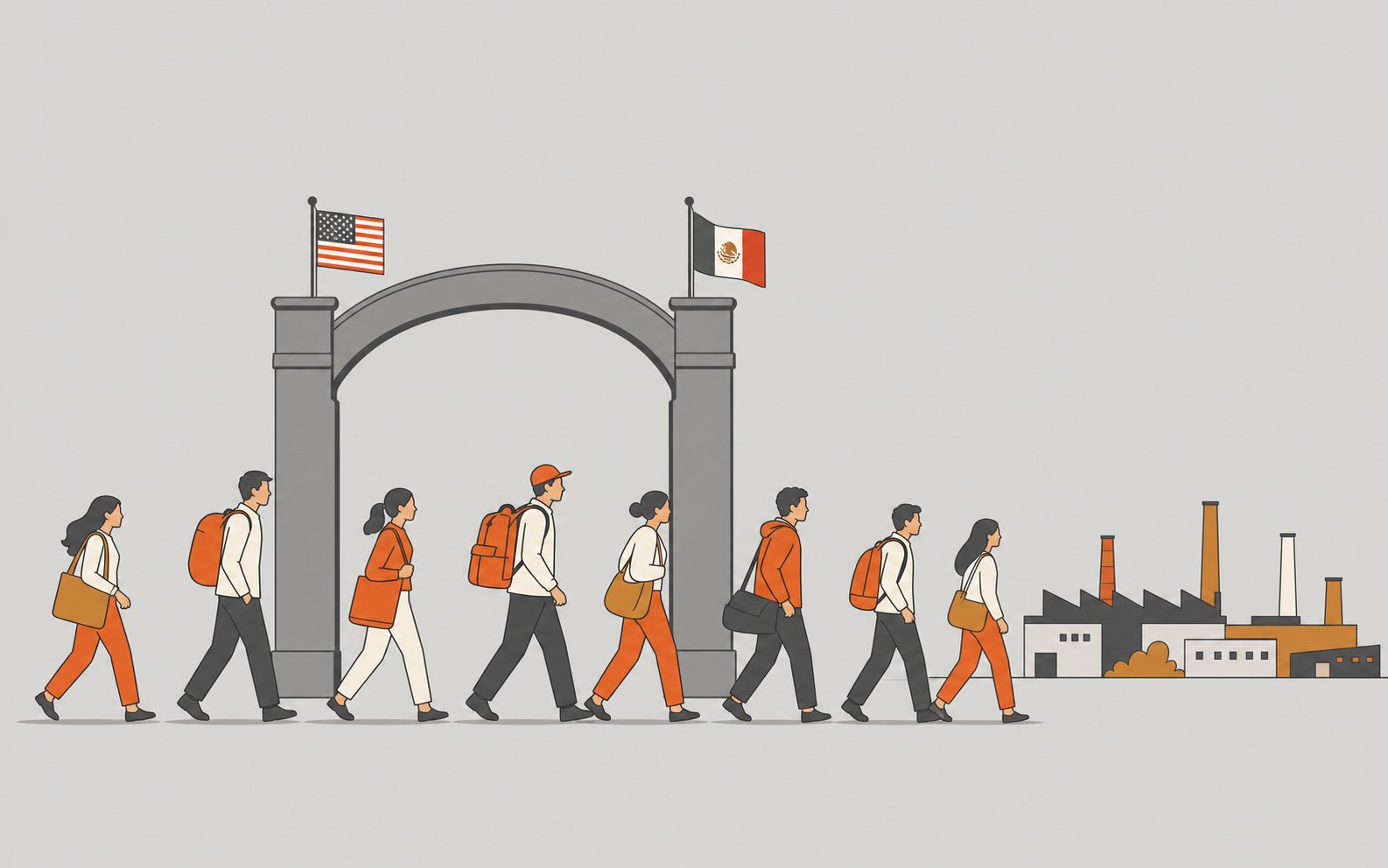
The Nearshoring Boom and Its Impact on Mexico’s Talent Landscape
Exploring Mexico’s talent war triggered by nearshoring, its impacts on tech and manufacturing, and strategies to mitigate challenges. By Silvia Flores In recent years, Mexico has experienced a significant nearshoring boom, primarily driven by global shifts in supply chain strategies and international companies’ ongoing quest for efficiency and cost-effectiveness. This phenomenon has positioned Mexico as
Exploring Mexico’s talent war triggered by nearshoring, its impacts on tech and manufacturing, and strategies to mitigate challenges.
In recent years, Mexico has experienced a significant nearshoring boom, primarily driven by global shifts in supply chain strategies and international companies’ ongoing quest for efficiency and cost-effectiveness. This phenomenon has positioned Mexico as a highly attractive destination for nearshoring activities, especially in technical and manufacturing sectors. However, this rapid growth has also triggered a “talent war” within the country, placing unprecedented stress on its workforce and educational institutions. This post will explore the nuances of this talent war, its implications, and potential strategies to mitigate its challenges.
Understanding the MexiconNearshoring Boom
Nearshoring refers to transferring business operations to a nearby country rather than one far away. For North American companies, particularly those in the United States and Canada, Mexico has become a favored nearshoring destination due to its proximity, cultural affinity, and cost-competitive labor market. The sectors most impacted include automotive, aerospace, electronics, and software development.
The COVID-19 pandemic further accelerated this trend, as companies sought to reduce reliance on distant supply chains, particularly those centered in Asia, to mitigate risks and improve logistics efficiency. This shift has led to a surge in demand for skilled labor in Mexico, encompassing roles from manufacturing technicians to software engineers and logistics specialists.
The Talent War in Mexico Escalates
The term “talent war” aptly describes the competitive landscape in Mexico’s labor market. With an influx of international companies setting up operations in the country, the demand for skilled workers has outpaced the supply, leading to intense competition among employers. This scenario is particularly pronounced in the technical and manufacturing sectors, where specialized skills are in short supply.
Several factors contribute to the talent shortage:
Educational Gaps: While Mexico has made significant strides in improving its educational system, there remains a gap between the skills taught in many institutions and those demanded by industries involved in nearshoring activities.
Workforce Migration: The lure of higher wages and better career prospects has led to a brain drain, where highly skilled workers, especially those in STEM fields, migrate to other countries or switch to more lucrative sectors.
Rapid Industry Growth: The pace of growth in sectors such as automotive and aerospace manufacturing and software development has outstripped the ability of the local talent pool to keep up, leading to vacancies and escalating salaries for certain roles.
Implications of the Talent War
The talent war in Mexico has far-reaching implications, not just for employers, but also for the economy and society at large. For companies, the primary impact is on operational costs and project timelines. The scarcity of talent leads to higher wages, increased training expenses, and sometimes, delays in project execution. In the long run, this could erode some of the cost advantages that made Mexico an attractive nearshoring destination in the first place.
On a broader scale, the talent war can fuel economic inequality and social mobility issues. As companies vie for a limited pool of skilled workers, those without the requisite skills may find themselves increasingly marginalized, unable to access the burgeoning opportunities in the nearshoring economy.
Navigating the Talent War in Mexico: Strategies and Solutions
Addressing the challenges posed by the talent war requires a multifaceted approach involving government, industry, and educational institutions. Here are some strategies that could help mitigate the talent shortage:
Invest in Education and Training: Enhancing the alignment between educational programs and industry needs is crucial. This could involve updating curricula, promoting STEM education, and expanding vocational training programs that offer practical, job-ready skills.
Foster Public-Private Partnerships: Collaboration between the government and private sector can lead to the development of targeted training initiatives and apprenticeship programs, designed to upskill workers and fill critical gaps in the workforce quickly.
Attract and Retain Talent: Companies need to focus on attracting talent and retaining it. This could involve offering competitive wages, career development opportunities, and creating a positive workplace culture.
Leverage Technology and Innovation: Investing in automation and other technological innovations can help alleviate some of the pressures on the skilled labor market, making production processes more efficient and reducing reliance on hard-to-find talent.
Talent Driven
The nearshoring boom has undoubtedly brought economic opportunities to Mexico, yet it has also precipitated a talent war that poses significant challenges for the country’s technical and manufacturing sectors. Navigating this landscape requires a concerted effort from all stakeholders to ensure that Mexico can sustain its nearshoring growth while fostering a skilled, resilient workforce. By investing in education, fostering industry collaboration, and embracing technology, Mexico can survive the talent war and thrive in the face of it, securing its place as a global nearshoring powerhouse.
About Silvia Flores and Alder Koten
Silvia Flores is a distinguished figure in the executive search industry, serving as the Co-Founder and Managing Partner at Alder Koten, a renowned firm specializing in talent acquisition and leadership consulting. With an extensive background in executive search and human resources, Flores has established herself as a pivotal player in shaping the leadership structures of numerous organizations across various sectors. Her expertise lies in understanding the intricate dynamics of leadership and organizational culture, enabling her to adeptly match talented executives with roles that align with their skills and the strategic objectives of businesses. Through her leadership at Alder Koten, Flores has played a crucial role in guiding companies through their talent acquisition strategies, contributing to their growth and success in the competitive global marketplace.
Silvia can be reached at: silvia.flores@alderkoten.com
Like Loading…[]