
Innovations in Manufacturing Technology
Explore case studies on how robotics, AI, IoT, and AR are revolutionizing manufacturing. See tech-driven success in action.
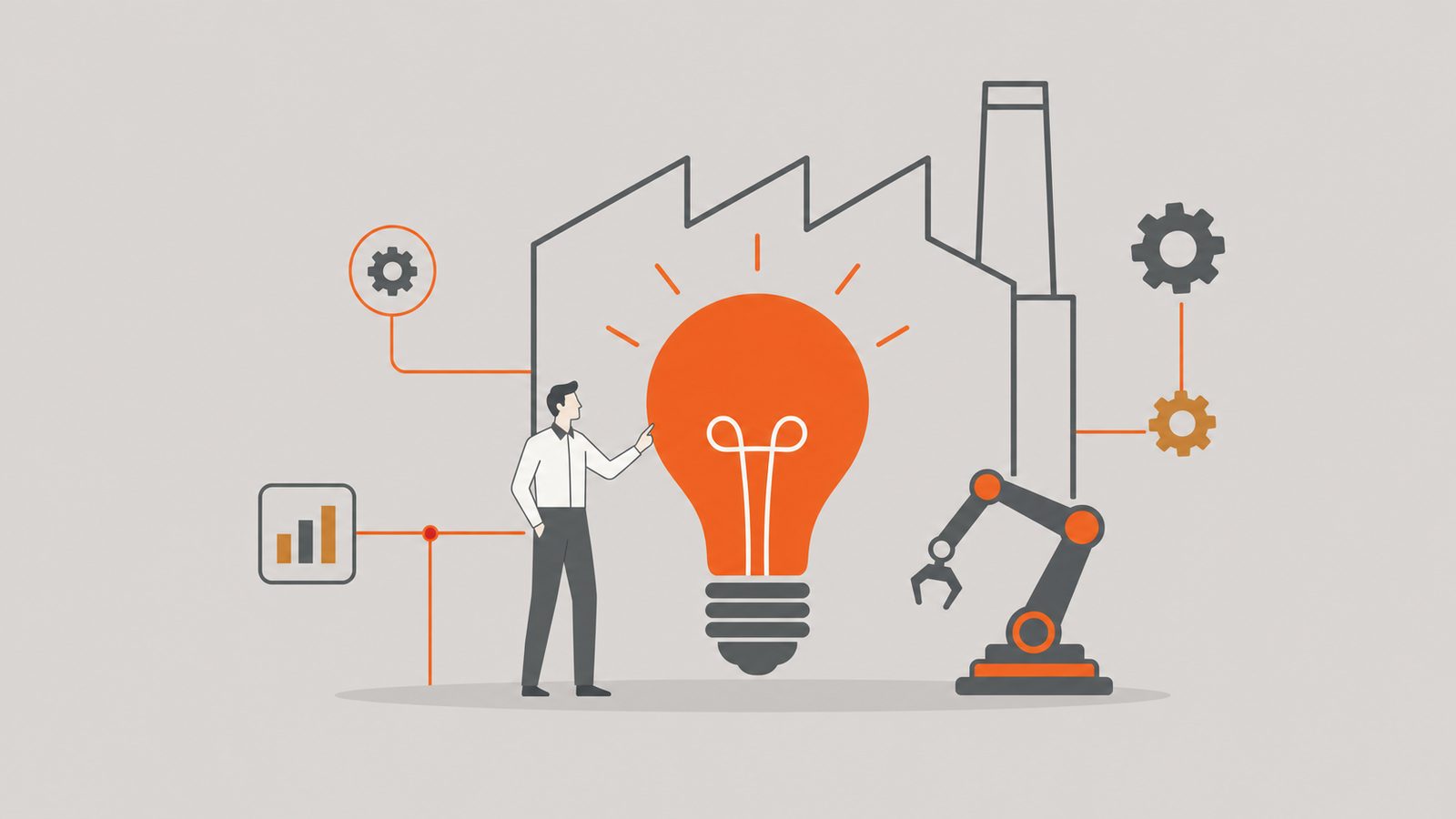
Explore case studies on how robotics, AI, IoT, and AR are revolutionizing manufacturing. See tech-driven success in action.
Explore case studies on how robotics, AI, IoT, and AR are revolutionizing manufacturing. See tech-driven success in action.
The manufacturing sector is continuously transformed by technological innovations, which enhance efficiency, reduce costs, and improve product quality. This blog post explores several compelling case studies that illustrate the successful implementation of cutting-edge technologies in the manufacturing industry, highlighting the profound benefits these innovations bring.
1. Robotics and Automation
A leading automotive manufacturer recently integrated advanced robotics into their assembly line, significantly reducing human error and increasing production speed. The robots are equipped with sensors and AI to perform precise tasks, from welding to assembly. This shift not only boosted productivity by 25% but also improved worker safety by automating high-risk tasks.
2. 3D Printing
Another notable innovation is 3D printing, which has revolutionized prototype development. A consumer electronics firm adopted 3D printing to create prototypes for new devices, reducing the prototype development time from weeks to just a few hours. This rapid prototyping capability allowed for quicker feedback and faster market entry, proving crucial in the highly competitive tech industry.
3. Internet of Things (IoT)
A textile manufacturer implemented IoT technology to monitor their machinery in real time. Sensors collect data on machine performance, predicting maintenance needs before breakdowns occur. This proactive approach to maintenance has reduced downtime by 30% and increased overall equipment effectiveness, showcasing IoT’s role in enhancing operational efficiency.
4. Artificial Intelligence (AI)
AI is making its mark in quality control processes. A pharmaceutical company employed AI algorithms to analyze the quality of drug packaging. The AI system detects even the slightest deviations from standards, ensuring higher quality and compliance with stringent regulatory requirements. This implementation has led to a 40% reduction in quality-related product returns.
5. Augmented Reality (AR)
Augmented reality is transforming training and operations on the factory floor. A heavy machinery manufacturer uses AR headsets to provide real-time guidance to technicians during complex machine repairs, reducing error rates and shortening the learning curve for new employees. This technology has not only improved operational accuracy but also enhanced the speed of onboarding new staff.
Conclusion
The integration of advanced technologies in manufacturing is creating significant opportunities for companies to enhance their operational capabilities, reduce costs, and improve product quality. The case studies discussed illustrate just a few examples of how embracing these innovations can lead to substantial benefits.
About Silvia Flores
Silvia Flores is a distinguished executive search consultant at Alder Koten, where she specializes in connecting top talent with innovative companies in the manufacturing sector. With a keen understanding of the industry’s dynamic nature, Silvia leverages her expertise to help businesses acquire leaders who are not only skilled in traditional practices but are also adept at integrating new technologies. Contact Silvia to learn how she can help your organization stay ahead in a rapidly evolving market.
Like Loading…[]